
Why Is My Driveway Sinking? Common Causes and Solutions
A sinking driveway can quickly become more than just an eyesore. Uneven paving, dips, cracks and pooling water can all make your driveway difficult to use and, if left untreated, the problem can continue to get worse.
If you have noticed sections of your driveway beginning to sink, there are several possible causes. Understanding what is happening underneath the surface is the first step towards finding the right solution.
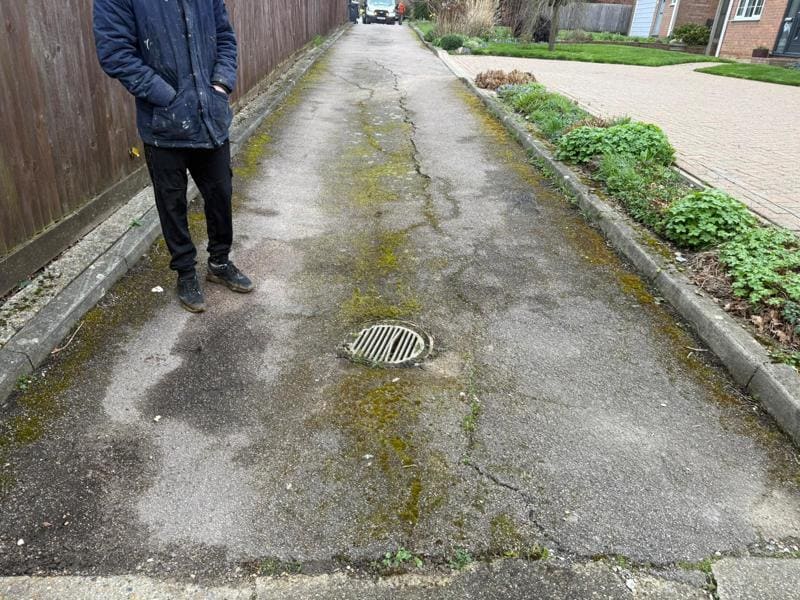
What Causes a Driveway to Sink?
Driveways are designed to withstand the weight of vehicles and regular everyday use, but their strength depends heavily on what lies beneath the finished surface.
Here are some of the most common reasons a driveway may begin to sink.
Poor Ground Preparation
One of the most common causes of a sinking driveway is an incorrectly prepared sub-base.
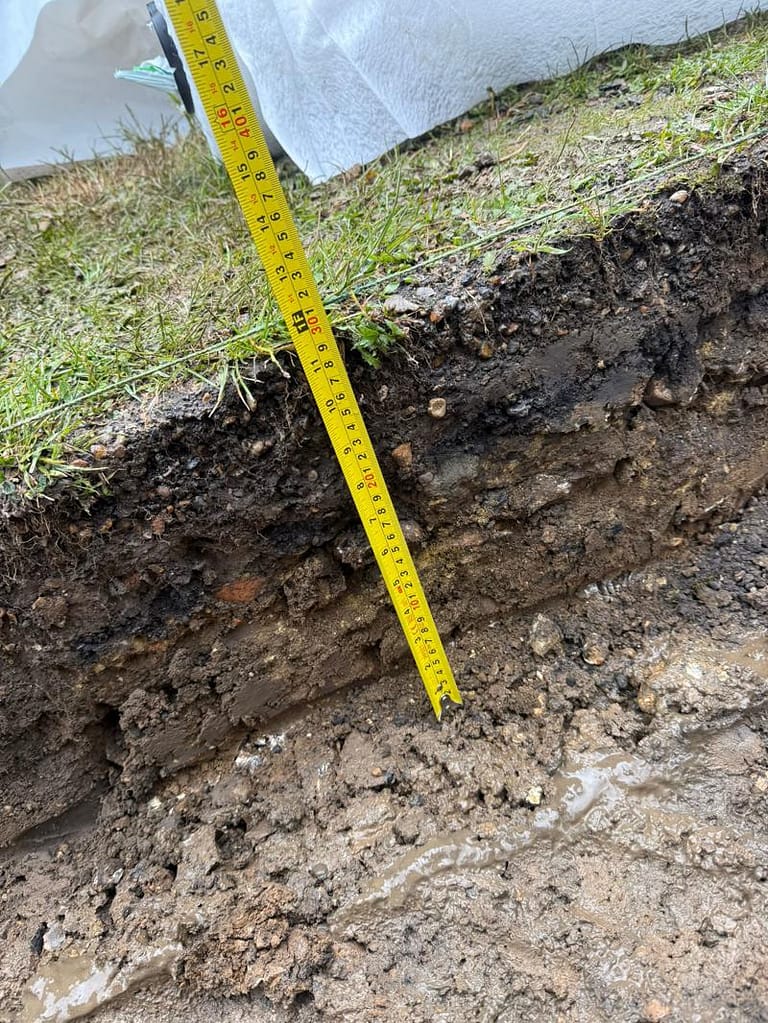
Before block paving, tarmac or another driveway surface is installed, the ground needs to be excavated to the correct depth and a suitable sub-base laid and compacted.
If the foundations are too shallow or have not been compacted properly, the material underneath can move over time. This can cause sections of the driveway above to drop or become uneven.
Water and Poor Drainage
Water can cause significant problems underneath a driveway.
If rainwater cannot drain away properly, it may begin to collect beneath the surface. Over time, this can wash away or weaken the material supporting the driveway.
Signs of a drainage problem can include:
- Water pooling on the driveway
- Sinking near drainage channels
- Areas becoming noticeably worse after heavy rain
- Cracks or movement around the edges of the driveway
Correct drainage is particularly important when installing a new driveway, as water needs somewhere suitable to flow.
Heavy Vehicles
Most residential driveways are designed for cars and light vehicles. Repeatedly parking heavier vehicles, such as large vans or motorhomes, can put additional pressure on the surface and foundations.
If the sub-base is not strong enough to support the extra weight, sections of the driveway may gradually begin to sink.
Ground Movement
The soil beneath a property naturally changes over time.
Certain types of ground can expand when wet and shrink during dry weather. Tree roots, nearby building work and changes in groundwater can also contribute to movement beneath a driveway.
Even a professionally installed driveway can sometimes be affected by significant changes in the surrounding ground.
Tree Roots
Large trees close to a driveway can occasionally cause problems.
Growing roots may push sections of paving upwards, while removing a mature tree can have the opposite effect. As old roots decay underground, they can leave gaps in the soil which may eventually cause the surface above to sink.
Damaged or Leaking Pipes
A leaking underground water or drainage pipe can slowly wash away soil beneath a driveway.
This type of problem may cause a relatively small area to suddenly drop or continue sinking over a short period of time.
If the movement appears severe or develops unexpectedly, it may be worth checking whether an underground pipe could be contributing to the problem.
Can a Sinking Driveway Be Repaired?
In many cases, yes.
The correct repair will depend on the cause of the problem and how much of the driveway has been affected.
Re-Laying a Small Area
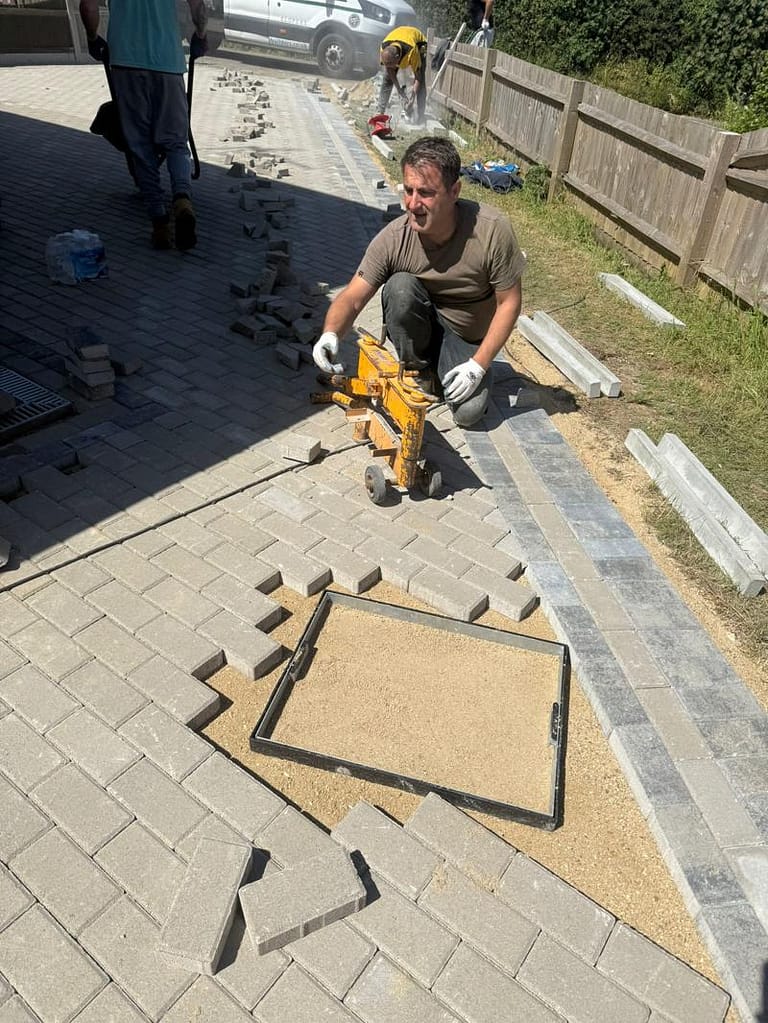
If only a small section of block paving has sunk, the affected blocks can sometimes be lifted.
The base underneath can then be repaired, levelled and compacted before the original paving is laid again.
This can be an effective solution when the surrounding driveway remains in good condition.
Repairing the Sub-Base
If the underlying foundations have failed, simply levelling the surface will usually only provide a temporary fix.
The affected section may need to be excavated so that the damaged or poorly compacted material can be replaced with a suitable sub-base.
Once this has been properly compacted, the driveway surface can be reinstated.
Improving Drainage
Where excess water is contributing to the problem, the drainage may also need to be addressed.
Depending on the property, this could involve installing or repairing drainage channels, adjusting the fall of the driveway or using appropriate permeable materials.
Solving the drainage problem helps reduce the risk of the same section sinking again.
Replacing the Driveway
If large areas of the driveway are sinking, cracked or badly deteriorated, repairing individual sections may no longer be the most practical option.
A replacement driveway allows the existing surface and foundations to be removed and the area prepared correctly from the beginning.
It can also be an opportunity to improve drainage, update the appearance of the property and choose a surface better suited to how the driveway is used.
Need Help With a Sinking Driveway?
If your driveway has started to sink, crack or become uneven, identifying the cause is essential before carrying out repairs.
At Towergate Builders, we provide professional driveway installation and repair services, helping homeowners create durable, attractive outdoor surfaces built on properly prepared foundations.
Whether you have a small area that needs attention or you are considering replacing an older driveway completely, our experienced team can assess the area and recommend a suitable solution.
Contact Towergate Builders today to discuss your driveway project and arrange a quotation.