
Are Gravel Driveways a Good Choice for Homes in Kent?
Choosing the right driveway can make a big difference to the appearance and practicality of your property. Whether you’re replacing an existing surface or creating additional parking space, it’s important to find a material that complements your home and stands up to everyday use.
For homeowners across Kent, gravel driveways are a popular option thanks to their natural appearance, versatility and excellent drainage potential. From traditional country properties to modern family homes, gravel can create an attractive entrance without the need for a fully paved surface.
But are gravel driveways a good choice for homes in Kent, and what should you consider before having one installed?
1. Gravel Driveways Offer a Natural, Attractive Finish
One of the biggest advantages of choosing a gravel driveway is its appearance.
Unlike solid paving or tarmac, gravel provides a softer, more natural finish that can work beautifully with different property styles.
It’s particularly well suited to traditional cottages, countryside homes and properties with established gardens.
However, gravel isn’t limited to traditional settings. With the right stone colour and edging, it can also complement contemporary homes.
Popular gravel colours include:
- Golden and buff tones for a warm, traditional appearance
- Grey and charcoal stones for a more modern finish
- Cream and limestone shades for a lighter driveway
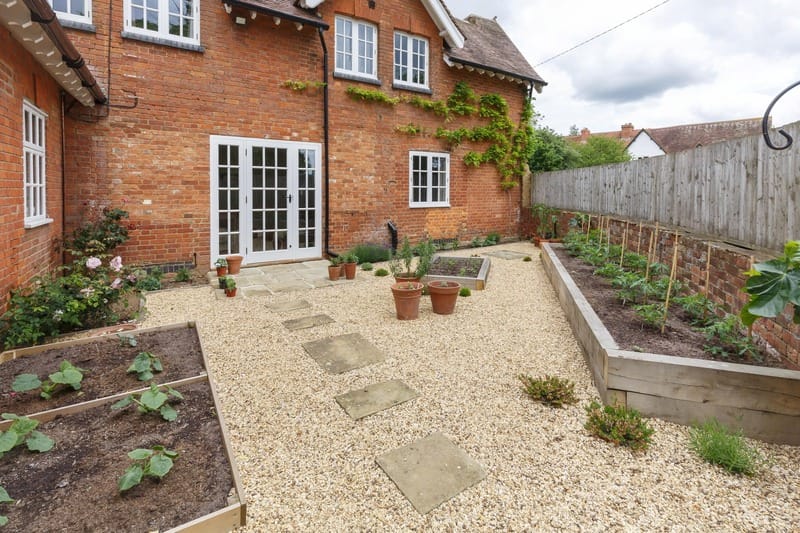
- Mixed natural aggregates for a rustic, textured look
Choosing gravel that complements your home’s brickwork, exterior walls and surrounding landscaping can help create a coordinated entrance.
2. Gravel Can Provide Excellent Driveway Drainage
Drainage is an important consideration for any driveway installation, particularly during periods of heavy rainfall.
One of gravel’s main benefits is that water can pass through the loose stones rather than simply running across a solid surface.
When installed over a properly designed permeable sub-base, gravel can help rainwater soak into the ground or move towards an appropriate drainage area.
This can reduce surface water build-up and make gravel a practical option for properties where drainage is a concern.
However, it’s important to remember that gravel alone doesn’t guarantee effective drainage.
The ground conditions, slope of the driveway and materials used underneath the surface all influence how well water drains.
For example, compacted or poorly draining soil may require additional consideration during installation.
A professional driveway installer can assess the property and recommend suitable groundwork and drainage arrangements.
3. Gravel Driveways Are Suitable for Different Property Sizes
Gravel can be used for a wide variety of driveway layouts.
It’s often associated with large entrances and rural properties, but it can also work well for smaller front gardens and standard residential driveways.
For larger driveways, gravel can provide a consistent finish across a wide area without the visual complexity of some paving patterns.
For smaller spaces, carefully chosen edging can help create a tidy, defined parking area.
Gravel may also be suitable for curved driveways and entrances with unusual shapes, where the flexibility of a loose aggregate surface can be beneficial.
The key is ensuring the layout provides practical access, suitable parking space and effective containment of the gravel.
4. Are Gravel Driveways Durable Enough for Everyday Parking?
A properly installed gravel driveway can provide a durable surface for regular vehicle use.
However, its performance depends on the quality of the groundwork and the type of gravel selected.
A driveway needs a stable foundation capable of supporting the vehicles using it.
Without suitable preparation, the surface may develop ruts, uneven areas or sections where the gravel moves excessively.
The size and shape of the aggregate also matter.
Angular gravel generally locks together more effectively than smooth, rounded stones, making it a popular choice for driveways.
Very small stones may scatter more easily, while overly large aggregates can be uncomfortable to walk on and difficult to drive across.
Choosing appropriate materials and preparing the foundation correctly helps create a driveway that’s practical for everyday use.
5. How Much Maintenance Does a Gravel Driveway Need?
Gravel driveways are relatively straightforward to maintain, although they aren’t completely maintenance-free.
Unlike certain other surfaces, gravel doesn’t generally require sealing or resurfacing to maintain its basic appearance.
However, the loose stones can gradually move with regular vehicle use.
To keep your driveway looking tidy, occasional maintenance may include:
Raking gravel to redistribute displaced stones
Removing leaves and debris
Clearing weeds when they appear
Topping up areas where gravel has become thin
Checking edging and gravel containment
Addressing any developing ruts or uneven areas
The amount of maintenance required will depend on how frequently the driveway is used and how well it was originally installed.
A professionally prepared driveway with suitable edging and, where appropriate, a gravel stabilisation system can help reduce unwanted movement.
6. Can Gravel Driveways Help Improve Home Security?
One interesting benefit of gravel is the sound it makes when someone walks or drives across it.
The distinctive crunch of stones underfoot can make it easier to notice when someone approaches your property.
While gravel shouldn’t be considered a substitute for proper security measures, this audible quality can be an additional benefit for some homeowners.
It’s one of the reasons gravel remains a popular choice for entrances to detached homes and countryside properties.
7. Are Gravel Driveways Suitable for Sloping Properties?
Gravel can work well on gently sloping driveways, but steeper gradients require careful consideration.
Because gravel is a loose material, stones can gradually move downhill under the weight of vehicles, particularly during braking or acceleration.
This may lead to uneven areas or gravel collecting at the bottom of the slope.
For properties with a gradient, suitable edging and gravel stabilisation systems may help keep the surface in place.
However, on particularly steep driveways, a bound surface such as block paving, resin bound surfacing or tarmac may be more appropriate.
The best approach will depend on the gradient, ground conditions and how the driveway will be used.
Are Gravel Driveways Right for Your Kent Property?
Gravel can be an excellent choice for homeowners who want an attractive, versatile driveway with a natural appearance.
It’s particularly worth considering if you have a traditional property, a larger entrance or a garden where a softer, more rustic finish would complement the surroundings.
However, the best driveway material depends on several factors, including your property’s layout, driveway gradient, drainage requirements and how frequently the surface will be used.
Some homeowners may prefer gravel for its traditional appearance, while others might find block paving, resin or tarmac more suitable for their day-to-day needs.
A professional driveway assessment can help you compare the available options and choose a surface that works for your home.
Professional Gravel Driveway Installation in Kent
If you’re considering a gravel driveway for your property, Towergate Builders & Developers can help.
We provide professional driveway installation services across Canterbury, Dover, Faversham, Gillingham, Ramsgate, Whitstable and surrounding areas of Kent.
Every property is different, which is why we provide personalised advice and quotations based on the individual requirements of each project.
Thinking about installing a gravel driveway in Kent?
Contact us today to discuss your ideas and arrange a free, no-obligation quotation.